
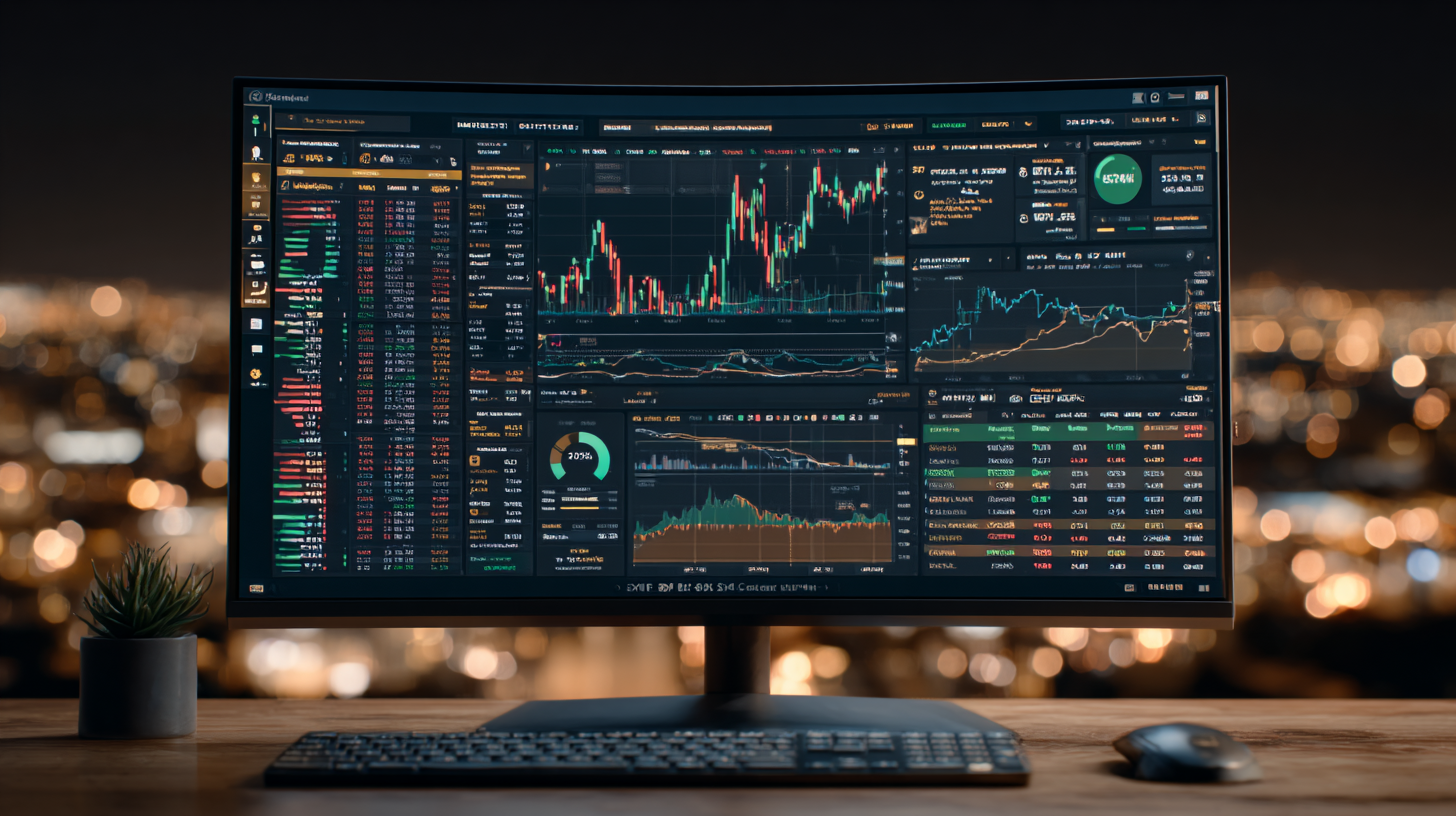
Why Risk Management Matters More Than Entry Signals
Risk management in trading is the difference between consistent traders and short-term gamblers. Even great setups fail sometimes, and without capital protection, one oversized loss can erase months of progress.
A strong risk management system accepts that losses are inevitable and focuses on controlling downside. That gives you the psychological stability and account longevity needed to benefit from compounding over time.
Core Pillars of Risk Management in Trading
Use these four pillars to build a repeatable process that protects your account in volatile markets.
Pillar 1
Position Sizing
Risk only a small fixed percentage per trade, such as 1% of account equity. This keeps losing streaks survivable and prevents catastrophic drawdowns.
Pillar 2
Stop-Loss Discipline
Set stop-loss levels before you enter a trade based on structure, not emotion. A predefined exit protects your capital when price moves against you.
Pillar 3
Take-Profit Planning
Define realistic targets with positive risk-to-reward ratios. Consistently taking profits helps lock in gains and reduces emotional decision-making.
Pillar 4
Diversification and Correlation
Avoid overexposure to one market idea. Spreading risk across assets and timeframes lowers portfolio volatility and improves long-term resilience.
Turn This Topic into Faceless YouTube Videos with AI
Use NewFace AI to transform complex trading education into engaging, easy-to-produce video content.
Generate a Structured Script
Start with a prompt like 'risk management in trading for beginners' and generate a clear outline with lessons, examples, and calls to action.
Add Realistic Multilingual Voiceover
Convert your script to natural narration in multiple accents and languages to reach broader trading audiences.
Match Visuals with Market Concepts
Use stock footage of charts, terminals, and trading dashboards plus background music to keep retention high without filming yourself.
Related Trading & Crypto Guides
Frequently Asked Questions
A common baseline is 1:2 or better, meaning potential reward is at least double the potential loss. The right ratio still depends on your win rate and strategy.
Many experienced traders use the 1% rule, risking only 1% (or at most 2%) of account equity per trade to limit drawdowns.
You can, but it is generally high risk and not recommended. Stop-loss discipline is one of the most effective ways to protect trading capital.
AI tools can generate scripts, voiceovers, and matching visuals quickly so you can publish faceless, professional trading videos with less manual editing.
Ready to Build Safer Trading Content?
Use NewFace AI to create high-quality faceless videos about risk management in trading and grow your channel with practical education.